Japan Sends $36B Into U.S. Energy
What It Means for Ohio, Texas, and Georgia
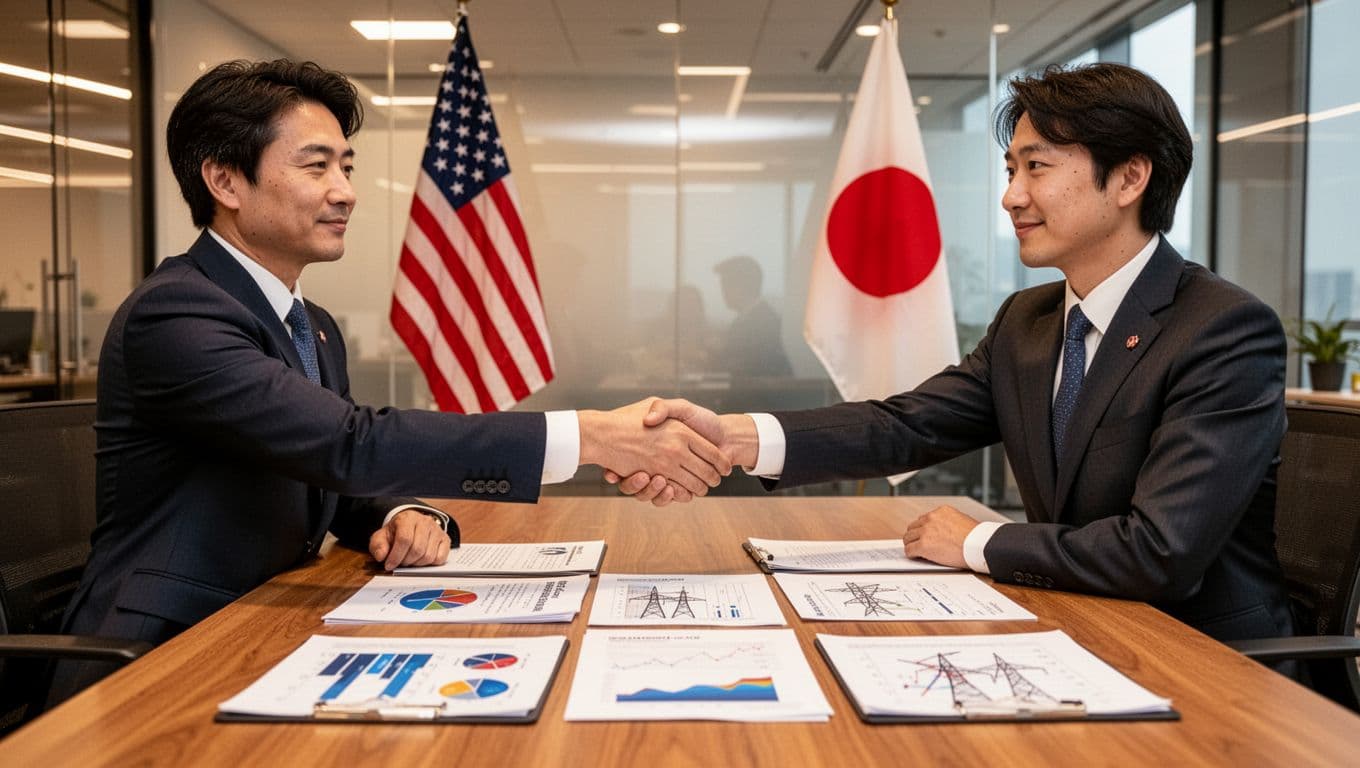 U.S. and Japanese counterparts formalizing an investment partnership.
Japan plans to invest $36 billion into U.S. energy and related manufacturing projects, spread across Ohio, Texas, and Georgia. This isn't a one-off headline, it's an early slice of a much larger $550 billion commitment tied to a U.S.-Japan trade deal.
The basic idea is simple: Japan funds major projects on U.S. soil, and both countries expect to benefit from the output. That output includes power for the grid, more crude oil export capacity, and a factory that makes advanced industrial materials.
You'll also hear the word "tariffs" around this deal. A tariff is just a tax on imports, and tariff policy often becomes a bargaining chip in trade talks.
Below is a clear breakdown of where the money is going, why both sides are doing it now, and what to watch if you care about jobs, energy prices, and U.S. exports.
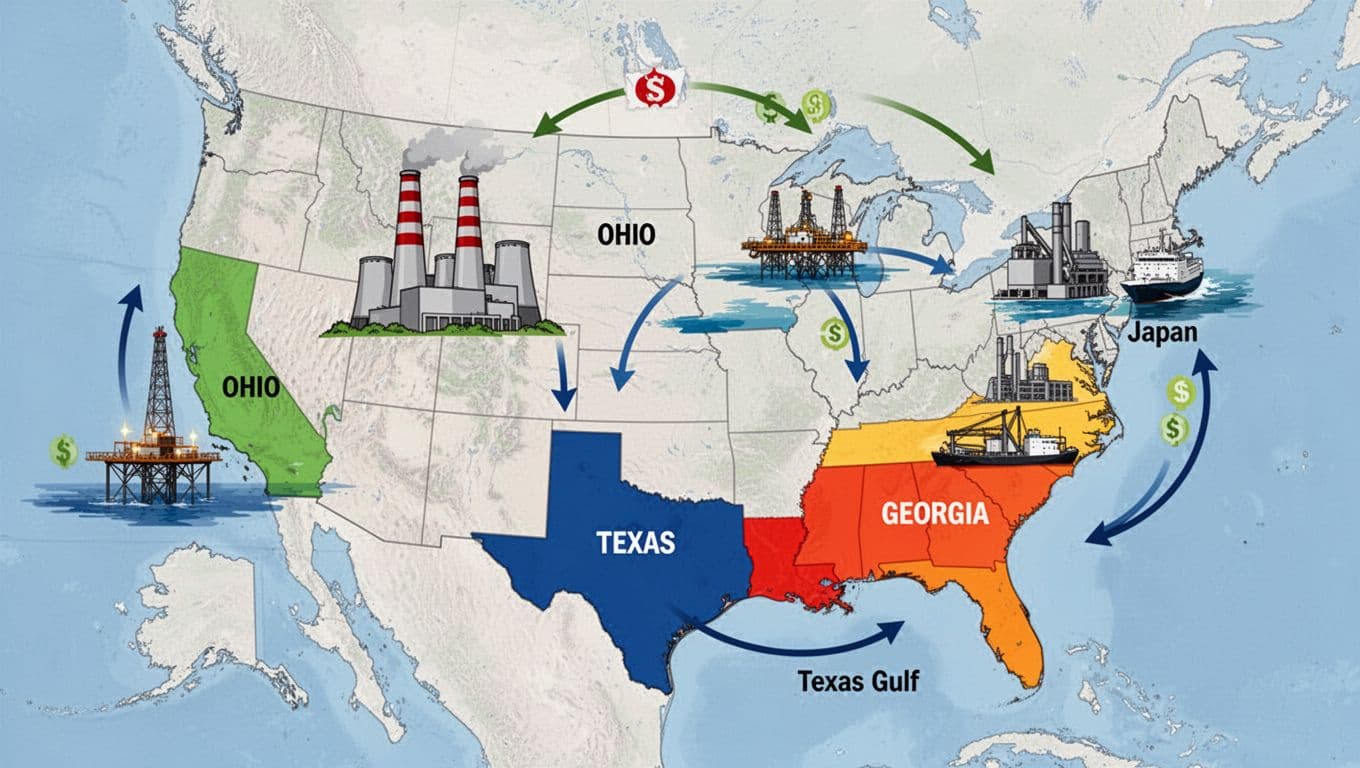 The three-state footprint of Japan's first wave of U.S. energy investments.
Where the $36B is going, the three projects and the states involved
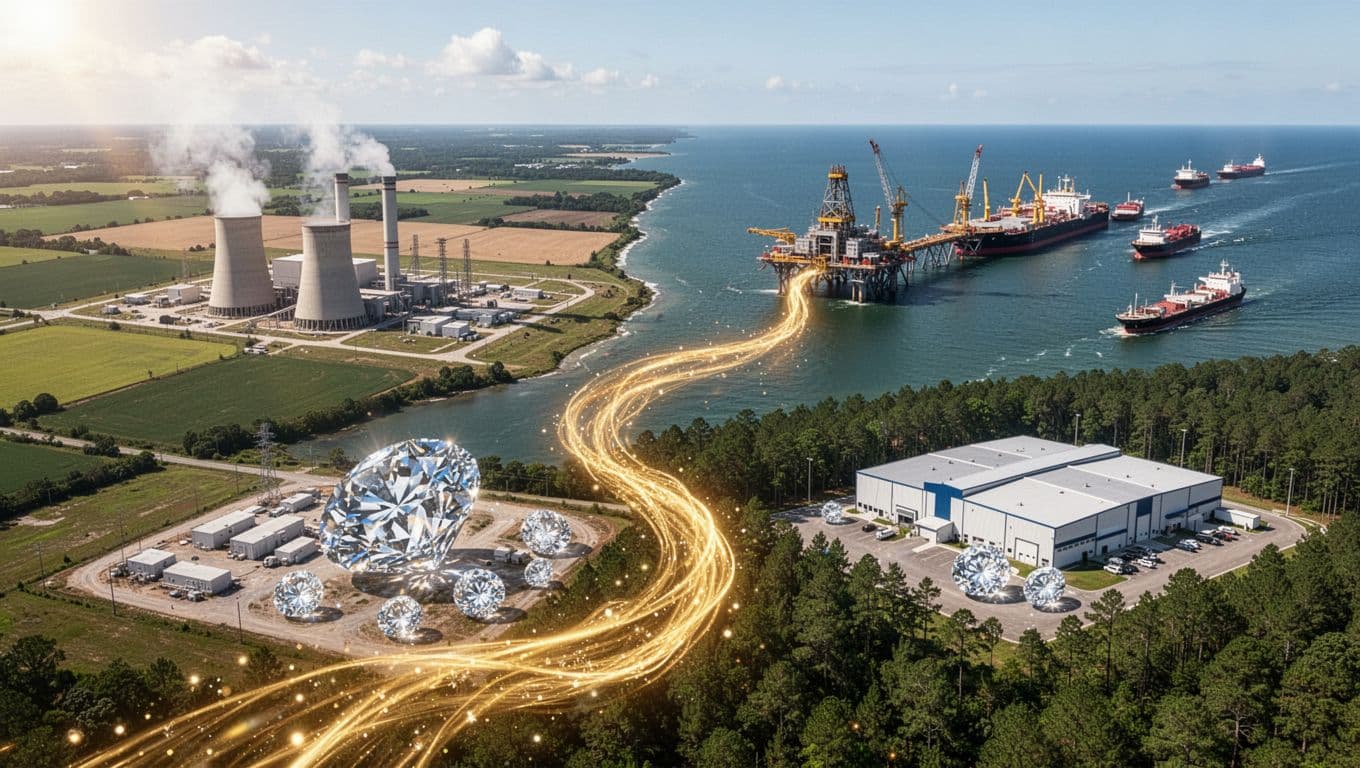 An overhead view of the three project types tied together by investment flow.
This first $36 billion wave points to three very different builds, each with a practical purpose. One focuses on large-scale electricity, another on moving oil to global buyers, and the third on a hard-to-replace manufacturing input.
Here's a quick side-by-side view of what's been publicly described so far:
| Project | State | Reported cost | What it does |
|---|---|---|---|
| Portsmouth Powered Land Project (operated by SB Energy) | Ohio | $33B | Builds major power generation capacity (reported 9.2 gigawatts) |
| Texas GulfLink deepwater crude export facility | Texas (offshore) | $2.1B | Expands U.S. crude export capability via deepwater terminal |
| High-pressure synthetic diamond grit plant (Element Six) | Georgia | ~$600M | Produces industrial diamond grit for cutting, drilling, and precision uses |
The takeaway is straightforward: most of the money concentrates in Ohio, while Texas and Georgia add targeted capacity that supports exports and advanced manufacturing.
Ohio: SB Energy's Portsmouth project and the 9.2 gigawatt power plan
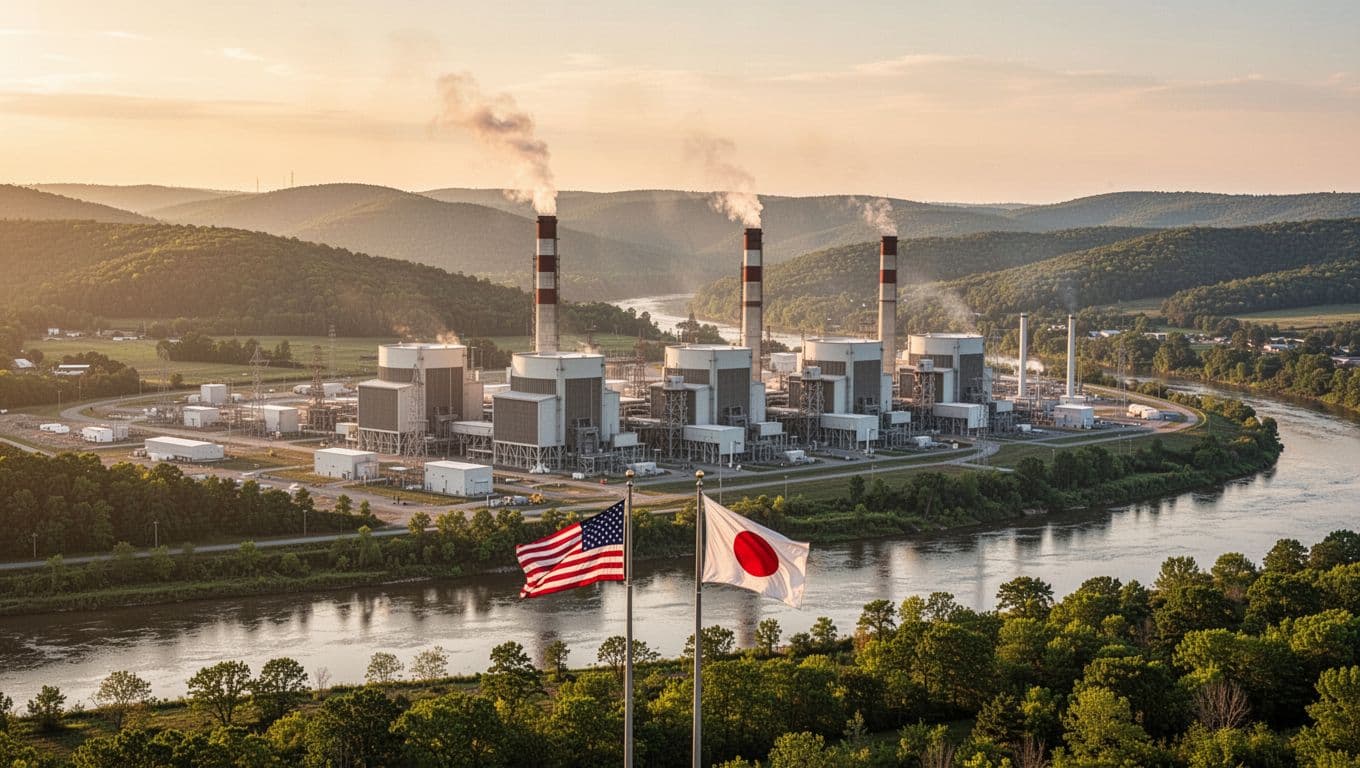 A large power station concept set in southern Ohio with U.S. and Japan flags.
The biggest piece is the Portsmouth Powered Land Project in Ohio, reported at $33 billion and operated by SB Energy, a company linked to SoftBank. Public reporting describes it as a 9.2-gigawatt natural gas power plant.
What does 9.2 gigawatts mean in everyday terms? Think of it as a very large power source, sized for heavy, always-on demand. It's the kind of output people associate with big regions, not a single town.
Some coverage also compares that scale to today's top U.S. gas plants, around 3.7 gigawatts for the largest existing facilities. Even if the final design shifts, the stated intent is clear: build a power anchor that can support rising grid demand.
That demand pressure comes from several directions at once. Industry growth pulls more electricity, and large power users like data centers can pull a lot of load. As a result, planners care about reliable supply and fuel access, not just price tags.
Texas and Georgia: an offshore crude export terminal and a synthetic diamond grit plant
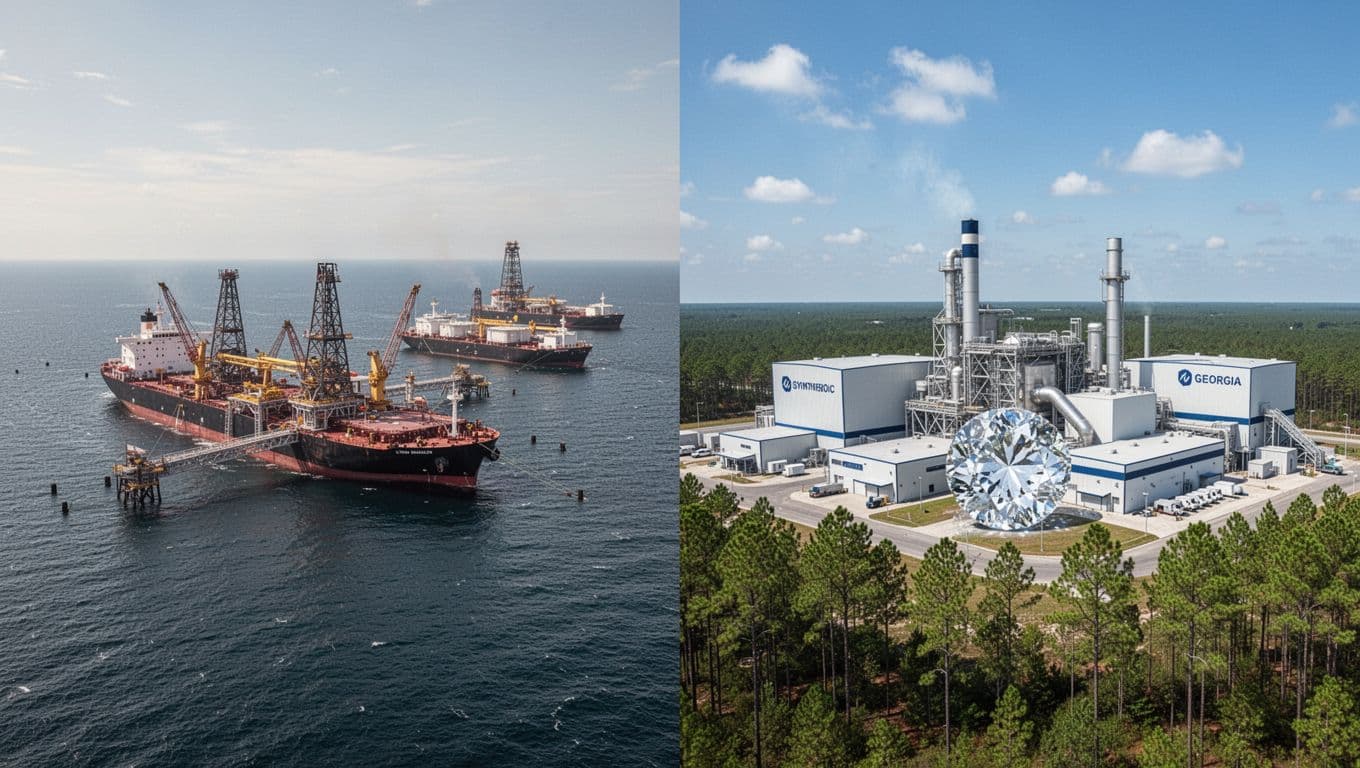 Two different project types, offshore export infrastructure and an advanced materials factory.
The Texas project is the GulfLink deepwater crude oil export facility off the Texas coast. In plain terms, it's infrastructure that helps load and ship U.S. crude to overseas buyers more efficiently, using deepwater capacity that can handle large tankers.
Public figures tied to the project describe a big export impact at full capacity, around $20 to $30 billion per year in crude exports. Longer-range estimates often frame it as $400 to $600 billion over 20 years, which shows why policymakers talk about it as an export engine.
Georgia's project is smaller in dollars but important in function: a high-pressure synthetic diamond grit plant, valued at about $600 million, operated by Element Six, a De Beers unit. Industrial diamonds aren't jewelry. Manufacturers use them because they're extremely hard and consistent.
That matters for real-world work like cutting, drilling, grinding, and precision shaping. In other words, this is a factory that supports other factories.
Why Japan is investing now, trade deal mechanics, timing rules, and profit splits
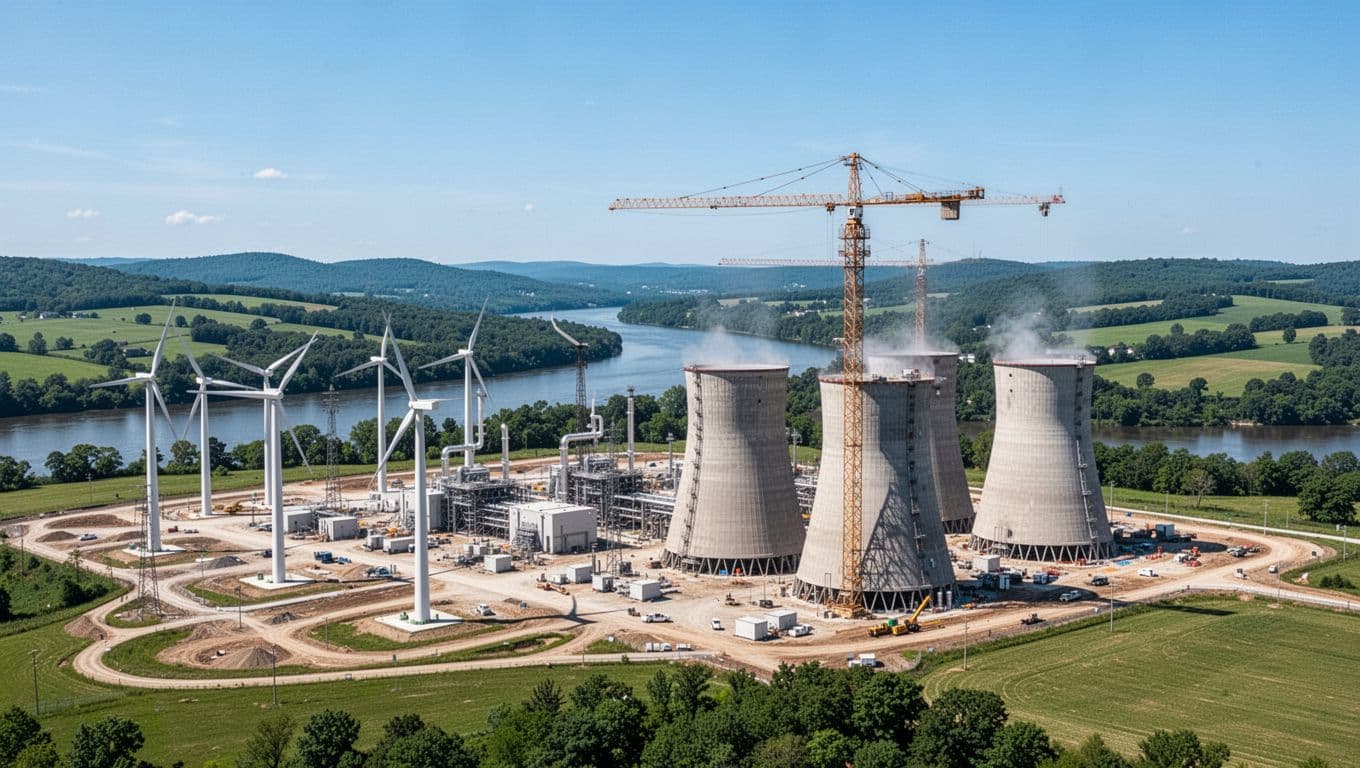 Large energy construction in a rural setting similar to southern Ohio.
This $36 billion package sits inside a much larger commitment: Japan's $550 billion pledge under a trade deal with the U.S. The U.S. administration has connected the deal to tariff policy, and public reporting says the agreement reduced tariffs on some Japanese imports (described as moving from 25% to 15% in the coverage tied to the announcement).
Again, tariffs are taxes on imports. When tariffs fall, imported goods can become cheaper to bring in, and trade partners often ask for something in return. In this case, the "something" is investment that builds U.S. capacity.
There's also a timing element. Reporting around the deal describes a rule that Japan has roughly 45 days to fund each announced project. That kind of window can speed things up, but it can also add pressure if permits, design work, or financing details aren't ready.
Finally, the profit split has been described in simple stages: an initial 50-50 arrangement, then a 90-10 split favoring the U.S. after Japan recoups its investment. That structure reads like a way to bring in outside capital while aiming to keep long-run gains mostly domestic.
The practical message is that the U.S. gets assets and output, while Japan gets a path to earn back its money before the split shifts.
What the U.S. gets out of it: energy supply, exports, and leverage
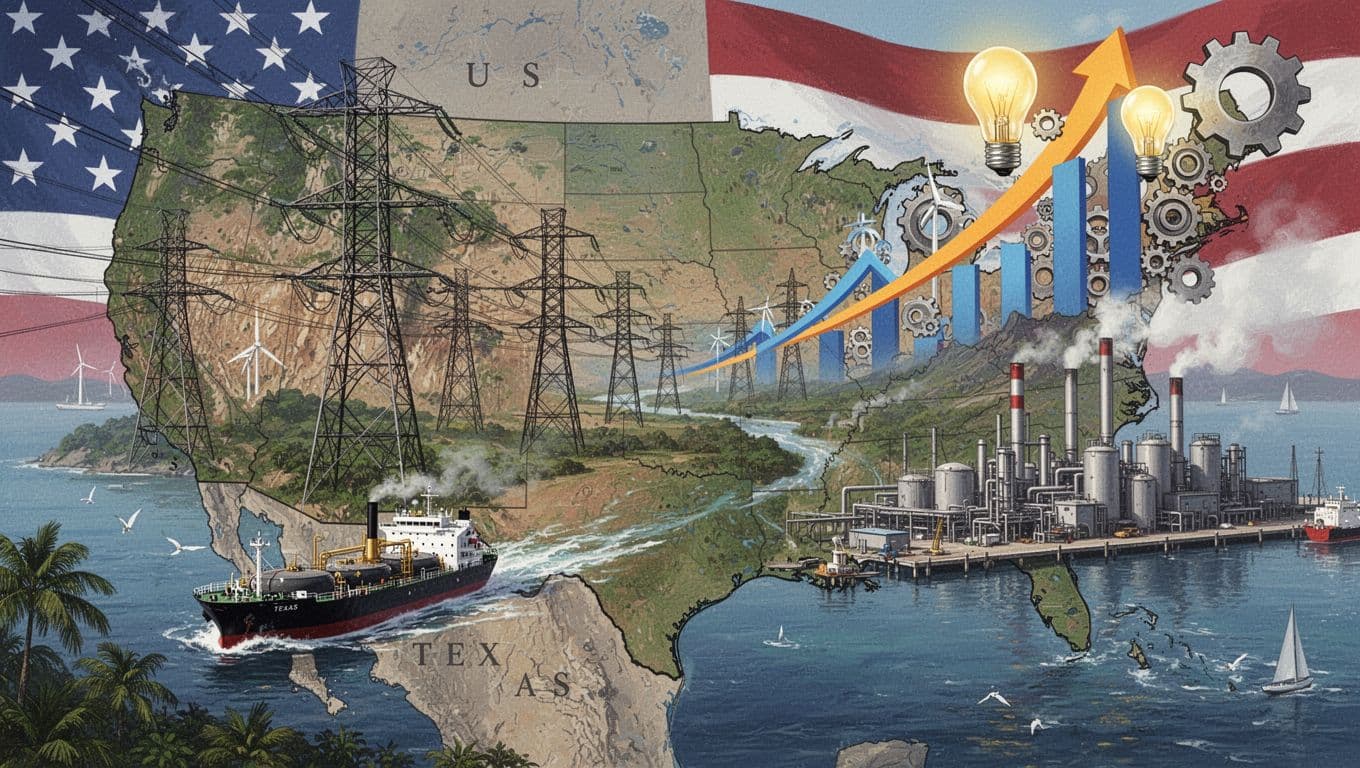 How power, exports, and industrial inputs connect in the U.S. economy.
For the U.S., these projects target three outcomes people can picture without a spreadsheet.
First, more power generation capacity can help utilities and big users plan for growth. Even the planning phase can shape local decisions about grid upgrades and fuel supply.
Second, the Texas terminal aims at higher crude export capacity. Export infrastructure can support producers and ports, and it can increase the U.S. role as a supplier to allies and global markets.
Third, the Georgia plant adds domestic production of an advanced material used across industries. When a key input is made closer to where it's used, supply chains can become less fragile.
At the local level, large projects can also expand a tax base and pull in suppliers. Still, approvals and timelines often shift, so early job and revenue estimates can change.
What Japan gets out of it: energy security, stable returns, and stronger U.S. ties
 An illustration of long-term energy planning and industrial stability.
Japan imports a large share of its energy, so it has strong reasons to value reliable supply and predictable trade routes. Investing in U.S. oil, gas, and related infrastructure can support that goal, even when global markets get tense.
There's also the investment angle. Big infrastructure can produce steady cash flow once it's operating, especially when demand is consistent and contracts are long-term.
Just as important, joint projects can strengthen ties between allies. When two countries build and operate major assets together, they tend to align standards, planning, and supply priorities. That can reduce the risk of sudden shortages in key inputs like fuel, minerals, or industrial materials.
In short, Japan gets a mix of supply security, returns, and a tighter economic link with the U.S.
What this could mean for everyday people and investors, plus the biggest watch outs
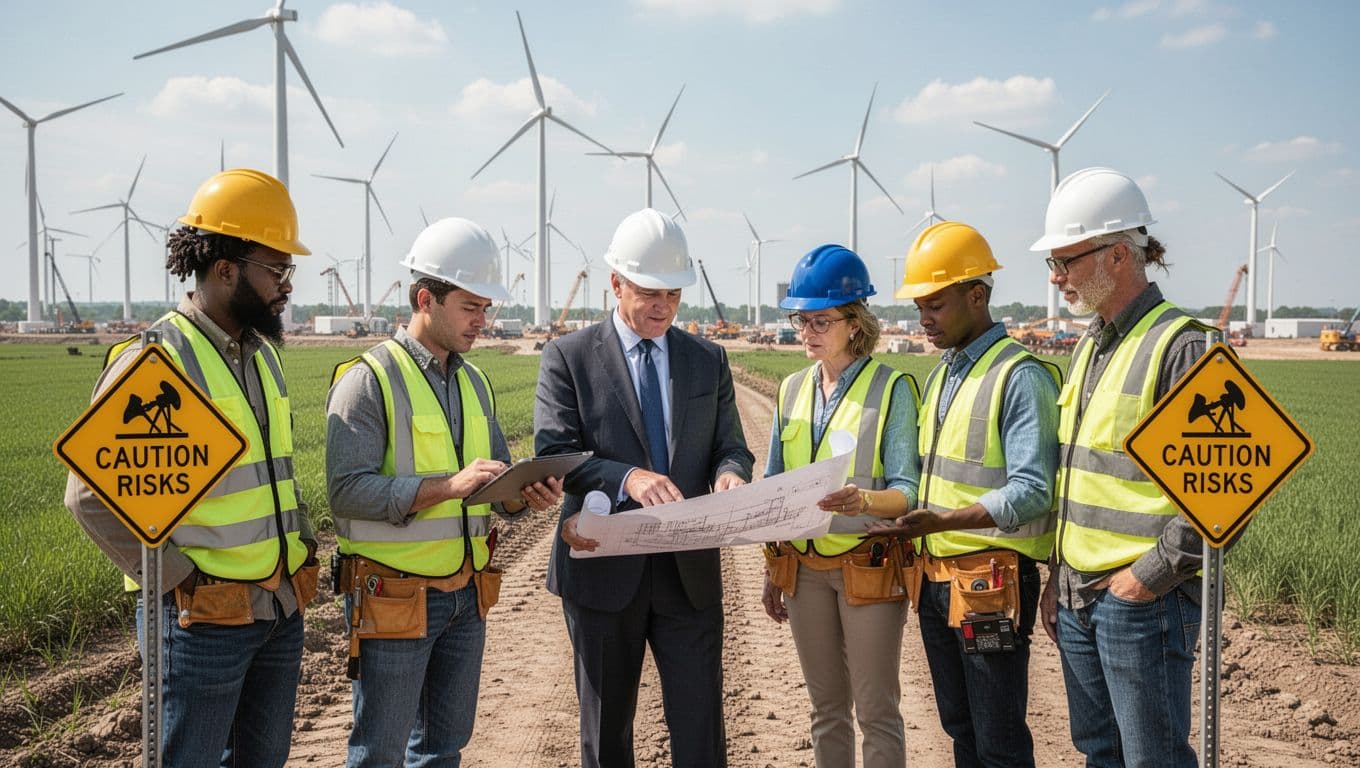 Everyday impacts, jobs, planning, and risk signals around major energy builds.
Big energy investments can feel distant, but they often show up in local life fast. During construction, areas can see more workers, fuller hotels, and heavier road traffic. After start-up, the jobs shift toward operations, maintenance, safety, and logistics.
For consumers, added supply can help reliability, which matters during extreme weather or peak demand. Still, it's smart to avoid simple cause-and-effect claims about bills because prices depend on fuel costs, demand, and regulation.
Investors often track these stories because they touch many sectors at once: engineering firms, equipment suppliers, pipeline and port services, and sometimes local real estate. However, the real swing factor is execution, not headlines.
Here's a simple checklist of what to watch next as details firm up:
- Permitting progress (local, state, federal)
- Funding confirmation within the reported 45-day windows
- Cost overruns and supply chain delays
- Demand forecasts (especially for large power users)
- Policy shifts that change timelines or economics
If you want one "watch out," it's this: large projects often move slower than the press release suggests.
Jobs and local change: who benefits, and what communities should ask
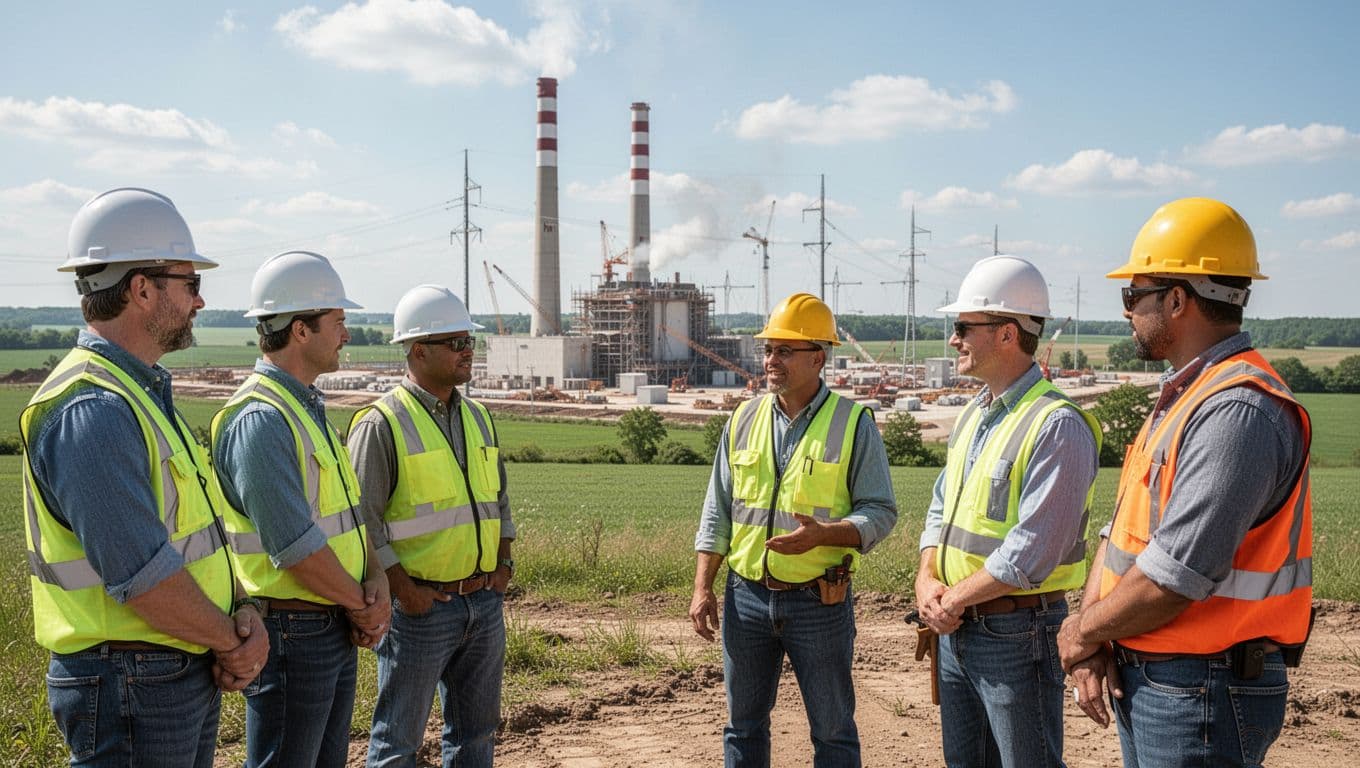 Training and workforce preparation for energy construction roles.
Job gains usually come in waves. First comes construction work, which can include equipment operators, electricians, welders, concrete crews, and site safety teams. Later, permanent roles tend to focus on plant operations, mechanical maintenance, control room work, and compliance.
Communities can protect their interests by asking practical questions early. How will trucks route through town? What's the plan for noise and lighting? How will water use be managed, and where does it come from? If the project ties into new transmission lines or pipelines, where will those connections run?
Residents should also look for clear timelines and public meetings. A good project plan doesn't just promise jobs, it explains training paths and hiring targets in plain language.
Risks that could slow it down: financing windows, permits, and politics
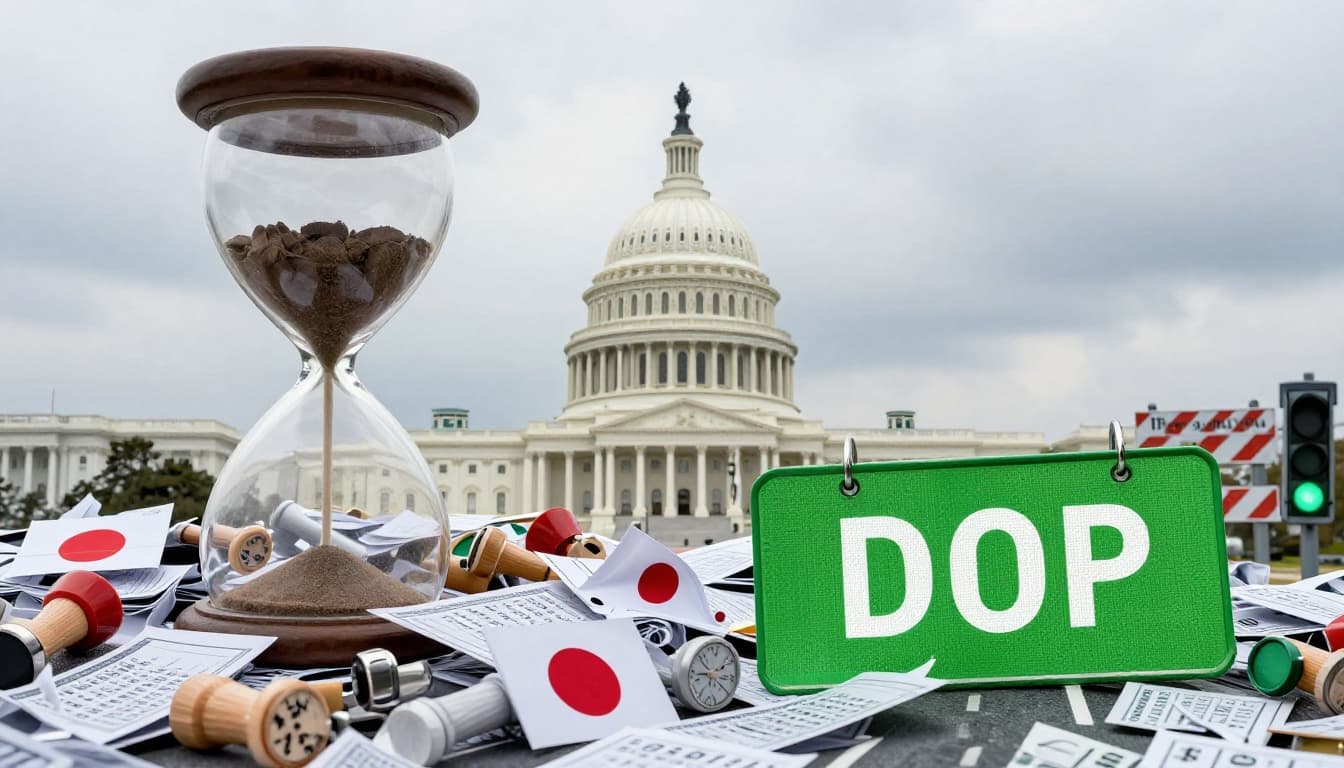 The real-world friction points: deadlines, permits, and shifting signals.
The reported 45-day funding expectation is a potential pressure point. Even well-funded projects can hit sequencing issues because permitting, engineering, and contracting don't always line up neatly.
Permits and legal challenges are another common drag. Large energy builds often require multiple reviews, and opponents can raise environmental or local impact concerns that lead to delays.
Politics can also change the pace. New leaders may favor different incentives, different timelines, or different priorities for fossil fuels versus other power sources. None of this guarantees failure, but it does explain why early schedules often change.
For readers, the best signal isn't a bold promise. It's a steady stream of filed permits, signed contracts, and visible site work.
Conclusion
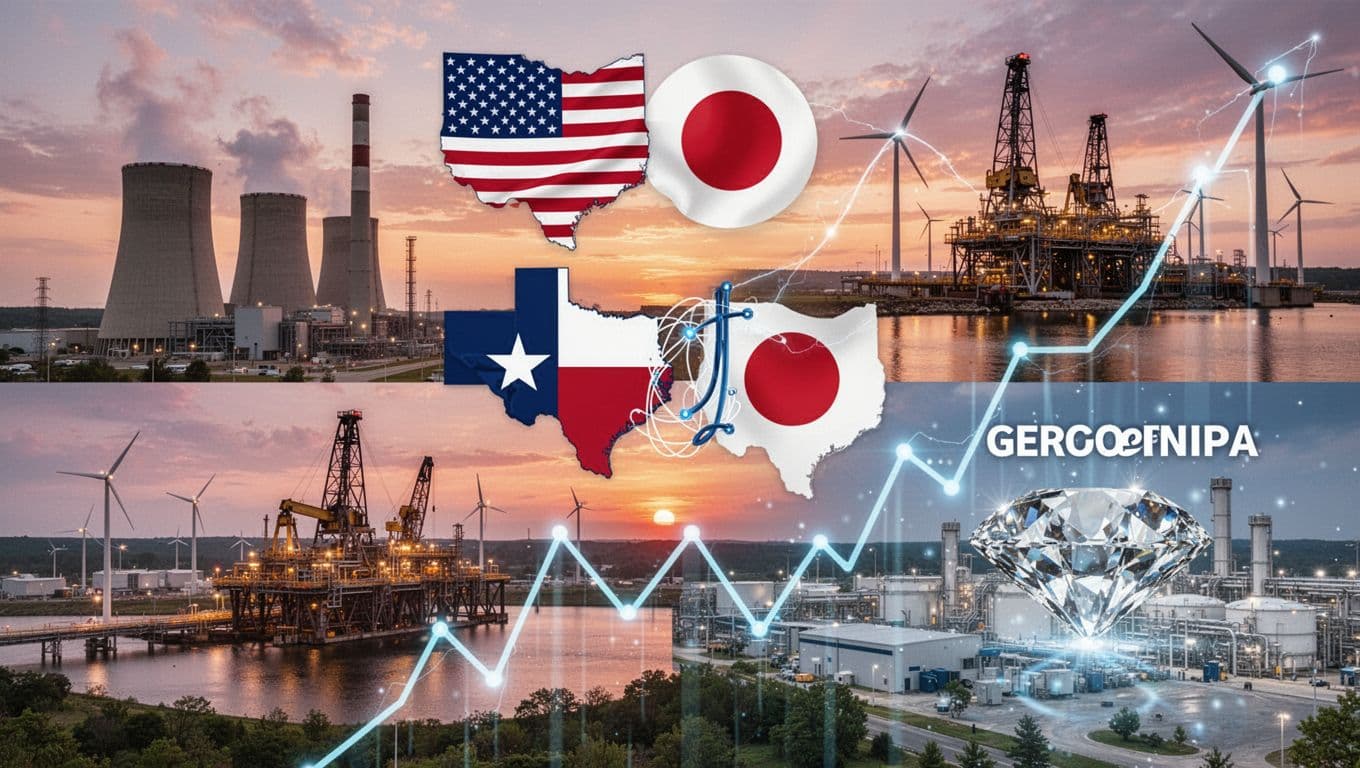 The three-project story in one view: power, exports, and advanced materials.
Japan's $36 billion push into U.S. energy and manufacturing centers on three projects in Ohio, Texas, and Georgia, and it's framed as the first wave of a much larger $550 billion commitment. The biggest bet is Ohio power generation, while Texas targets export capacity and Georgia adds an advanced industrial input. If you're watching this story, focus less on slogans and more on dates and filings. Next signals to track include funding confirmations, construction start dates, and any updates to the stated power and export capacity numbers. Check back for updates as new public details land and project timelines become clearer.
When you subscribe to the blog, we will send you an e-mail when there are new updates on the site so you wouldn't miss them.