
Top S&P 500 Stocks of 2026
An AI-themed data center scene that matches how hardware and infrastructure are setting the pace in early 2026.
The S&P 500 isn't doing much in early 2026. By mid-February, it's basically flat (slightly down), weighed down by several software names. Yet a small set of stocks is sprinting ahead.
What's different this time? The biggest winners aren't all flashy apps. Many are tied to AI data centers, especially storage, memory, testing gear, and the physical systems that keep server farms running.
This post highlights the top S&P 500 stocks of 2026 so far, what's driving the moves, and what to watch next. It's not financial advice, and these rankings can change quickly, sometimes in days.
The top 10 S&P 500 stocks of 2026 so far (with YTD and 2025 returns)
 A simple leaderboard visual for scanning winners and laggards quickly.
Here's a snapshot of the leaders year to date through mid-February 2026 (returns can vary by source and date, especially around big gaps after earnings).
| Rank | Company | Symbol | YTD Return (2026) | 2025 Return |
|---|---|---|---|---|
| 1 | Sandisk | SNDK | 163.95% | 577.08% |
| 2 | Generac | GNRC | 64.59% | -12.05% |
| 3 | Western Digital | WDC | 63.45% | 282.31% |
| 4 | Teradyne | TER | 62.56% | 53.37% |
| 5 | Seagate Technology | STX | 54.69% | 219.07% |
| 6 | Corning | GLW | 52.42% | 154.02% |
| 7 | Texas Pacific Land | TPL | 50.52% | -5.51% |
| 8 | Micron Technology | MU | 44.23% | 239.14% |
| 9 | Comfort Systems | FIX | 43.36% | 120.12% |
| 10 | Moderna | MRNA | 43.20% | -40.63% |
Quick read: what this leaderboard is really telling us
The message is simple: data needs physical stuff.
AI needs more storage, more memory chips, and more servers. That spills into demand for hard drives, flash, and the equipment that tests chips before they ship. It also raises the need for power backup, cooling, and construction work.
The big headline is Sandisk, which is again the standout after already leading in 2025. Several others are bunched behind it, which hints at a theme trade rather than a one-off story.
Another key shift sits under the surface. Memory and storage used to feel like a roller coaster, a surge in pricing, then a supply glut, then pain. AI-driven demand is changing expectations. Investors are paying up because they think the upcycle could last longer than past ones.
When an index goes nowhere, leadership matters more. A flat year can still hold a handful of huge winners.
What's powering these winners, sector by sector
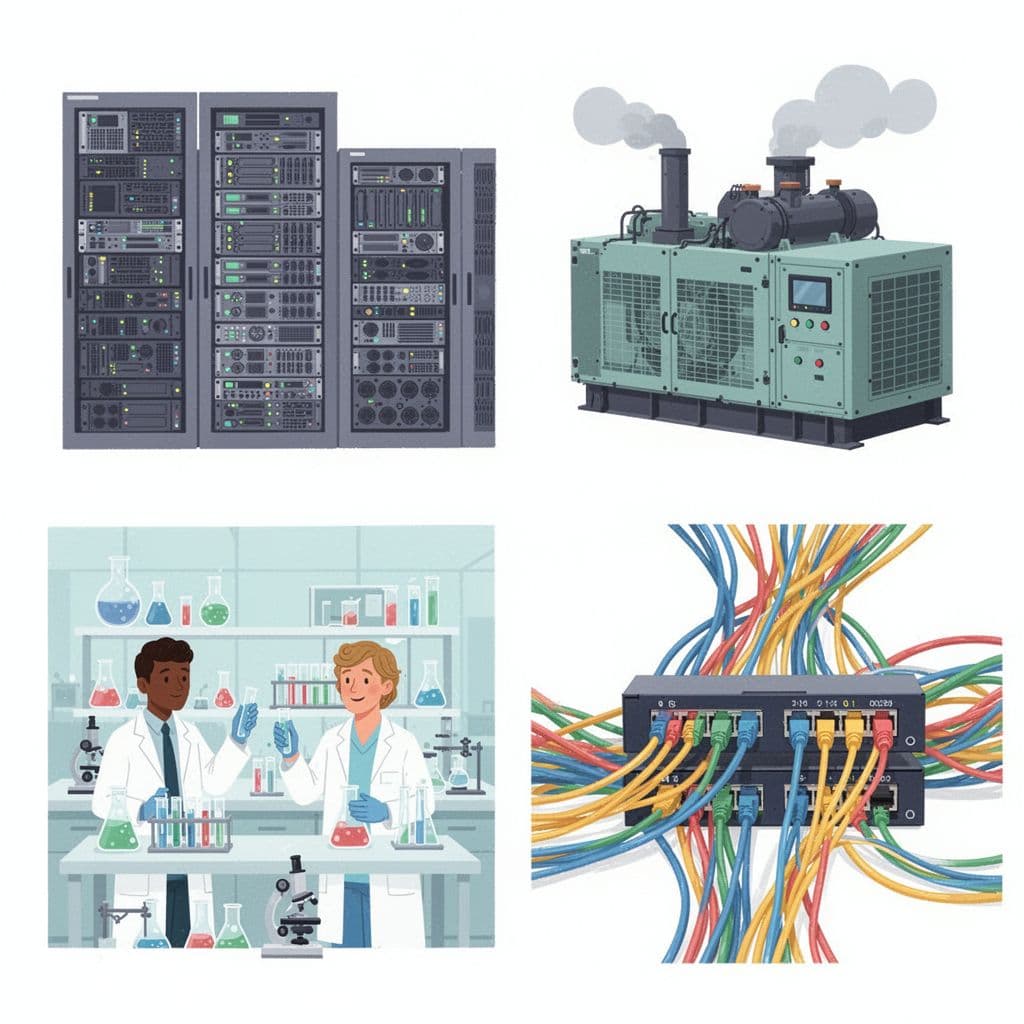 A snapshot of the real-world building blocks behind many 2026 leaders.
These top performers fall into a few easy buckets:
- Storage and memory that help AI systems hold and move huge piles of data.
- Chip "picks-and-shovels" that support high-volume production.
- Infrastructure that keeps data centers stable (power, cooling, electrical work).
- Wildcards that can rise on network buildouts, commodity-linked cash flows, or biotech sentiment.
None of this guarantees the run continues. Still, the pattern explains why many software stocks can lag while hardware and infrastructure jump.
AI storage and memory: Sandisk, Western Digital, Seagate, Micron
AI runs on data the way cars run on gasoline. Training a model means reading and writing massive datasets. Running AI in production also creates a steady stream of new data, logs, and user outputs that need to be stored.
That's why storage and memory names are back in the spotlight.
Sandisk has been the poster child. By mid-February 2026, it's up roughly 164% year to date after a stunning 577% gain in 2025. The move followed its separation from Western Digital in early 2025. From its early "when-issued" pricing near the mid-30s, the stock rose by a jaw-dropping multiple in just over a year. After a sharp run into early February, it also showed signs of pausing, which is normal after a steep climb.
The fundamentals improved too. Sandisk returned to profitability in fiscal 2025 after two losing years, and analysts expect earnings growth to remain extreme into fiscal 2026 and beyond. That kind of swing can reprice a stock fast, both up and down.
Western Digital and Seagate sit in the same current. Even though they focus heavily on hard drives, the basic story stays the same: more servers mean more demand for storage hardware. Micron adds the memory chip angle. It was one of 2025's strongest S&P 500 names, and it's still up strongly in early 2026.
Here's the big idea to keep in mind: higher demand can lift pricing, and pricing can lift profits. Investors are betting this cycle lasts longer because AI demand keeps rising.
AI hardware picks-and-shovels: Teradyne (chip testing)
Teradyne sells equipment that checks chips before they leave the factory. That may sound boring, but it matters because chip makers can't ship broken parts at scale.
As AI demand pushes more chip production, testing needs often grow too. More volume creates more test steps, more automation, and more spending on the tools that keep yields high.
Teradyne's strong early-2026 run fits this "support the supply chain" theme. It's not about one product launch. It's about the steady work required to get more compute into racks.
AI infrastructure outside tech: Generac and Comfort Systems
Data centers don't run on hype. They run on electricity, cooling, and construction crews.
Generac is known for generators and backup power gear. In 2025, its stock fell. Then it flipped in 2026, jumping sharply and landing near the top of the S&P 500 leaderboard. A rebound like that often comes from a mix of expectations, earnings reactions, and a changing outlook for demand.
Comfort Systems is a different kind of infrastructure play. The company works in mechanical and electrical building systems, which can include HVAC and related services. When more facilities get built or upgraded, contractors with strong execution can see rising backlogs and steady revenue.
It's tempting to tie every tick to AI. Don't. Still, the broader push for more data center capacity can increase demand for the "boring" parts that keep buildings usable.
The non-AI surprises: Corning, Texas Pacific Land, Moderna
Every leaderboard has a few names that don't fit the main story.
Corning can benefit when networks expand, since fiber and connectivity upgrades often require more glass and related materials. Even if a company isn't "AI" on the label, it can still sit in the supply chain that moves data.
Texas Pacific Land is a reminder that markets also reward scarce assets and resource-linked cash flows. It doesn't need an AI narrative to move.
Moderna shows how fast biotech sentiment can swing. Headlines, pipeline updates, and shifting expectations can push the stock hard in either direction, sometimes regardless of what the broader index is doing.
How to read these big returns without getting burned
 A calm reminder that process matters more when charts look exciting.
Huge YTD gains can feel like a flashing sign that says "buy now." That's usually when risk goes up.
A stock can be a great company and still be a bad buy at a given price. After big runs, leaders often pull back, chop around, or form long consolidations. That doesn't mean the story ended. It means the stock needs time for buyers and sellers to find a new balance.
Also, today's top 10 can look very different next month. Rankings change because earnings hit, guidance shifts, and macro news resets valuations.
The goal isn't to chase the highest return. The goal is to avoid the kind of mistake that ruins your ability to stay in the game.
A simple checklist before you buy anything
Use this as a quick screen before taking action:
- Know the driver: Identify what's pushing demand (AI storage, power backup, chip testing, and so on).
- Read the latest earnings: Focus on revenue trend, margins, and management guidance.
- Spot the weak link: Look for heavy competition, pricing risk, or fast-rising supply.
- Check how extended it is: A stock that just doubled can drop 20% fast.
- Choose a position size: Start smaller when volatility is high.
- Plan the exit: Decide what would prove you wrong, then respect it.
Key risks in 2026: memory cycles, AI spending, and rate shocks
This leaderboard is loaded with memory and storage exposure. That's exciting, but it's also a risk. Supply can catch up. Pricing can fall. When that happens, profits can drop much faster than sales.
AI data center spending is another swing factor. If big buyers slow orders, hardware suppliers can feel it quickly. Even a "still growing" market can disappoint if expectations were too high.
Finally, keep an eye on interest rates and inflation surprises. High-growth and high-momentum stocks often react sharply when the market reprices risk. A strong story doesn't always protect the chart.
Conclusion
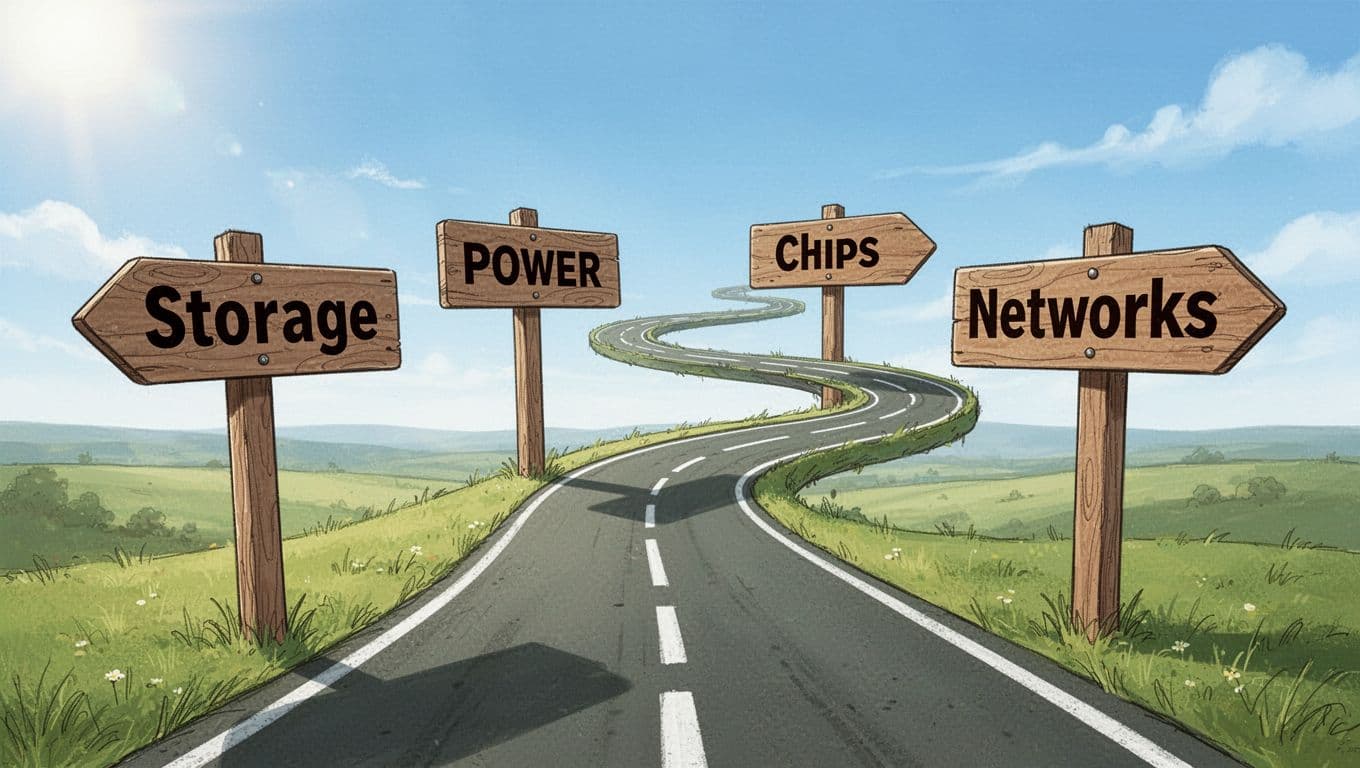 A simple roadmap of the themes driving many early-2026 winners.
A flat S&P 500 can hide a lot of action. In early 2026, leadership is dominated by AI storage and data center infrastructure, with a few wildcards mixed in.
If you're following these names, watch earnings and demand signals, not just the leaderboard. Pullbacks and consolidations often matter more than the headline return.
Track these tickers weekly, then compare them to the broader index. The gap between "the market" and the market's winners is the story of 2026 so far.
Stay Informed
When you subscribe to the blog, we will send you an e-mail when there are new updates on the site so you wouldn't miss them.